
Arena Vehicle Clash
Reviews
Arena Vehicle Clash stands out for its clever use of physics in a multiplayer setting. The chain tool mechanic feels fresh and rewarding, especially when you land a perfect swing after reading an opponent's trajectory. Hazard placement adds strategic depth without overwhelming the core gameplay. The vehicle handling is responsive but takes practice to master, giving the game a satisfying learning curve. Matches are short enough to fit into a busy schedule but intense enough to keep you coming back. It is a solid choice for anyone who enjoys competitive games that reward precision and adaptability over brute force.
About this game
Core Gameplay Loop
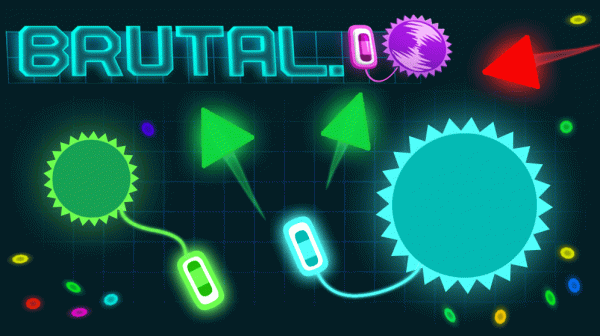
In Arena Vehicle Clash, each round begins with players positioning their vehicle in a compact arena. The primary interaction involves swinging a chain-like tool that can latch onto opponents or obstacles. Success depends on reading the physics of momentum: a well-timed swing can send an opponent spinning, while a mistimed move leaves you vulnerable. Energy orbs appear periodically across the arena floor; collecting them extends the chain's reach and impact, turning a basic tool into a formidable asset. The free-for-all format means alliances are temporary, and every player is both a potential ally and a direct rival.
Environmental Hazards & Strategy
The arena is not a neutral space. Several hazard types add layers of complexity. Some areas drain vehicle energy slowly, forcing players to keep moving or risk losing power. Others can instantly end a run if a vehicle enters at high speed. Smart players learn to use these hazards as weapons: luring opponents into dangerous zones or using the chain to pull them into traps. The placement of hazards shifts between matches, so memorization alone won't guarantee success. Adaptability and quick assessment of the arena layout become essential skills.
Vehicle Handling & Physics
Every vehicle responds differently to acceleration, turning, and collisions. The physics engine simulates realistic momentum, meaning sharp turns at high speed can cause skids or loss of control. Mastering this handling is the first step toward consistent performance. The chain tool adds another layer: its swing arc depends on the vehicle's current velocity and direction. A stationary vehicle produces a predictable, short swing, while a fast-moving vehicle can whip the chain in a wide, powerful arc. This system rewards players who can coordinate movement and tool deployment seamlessly.
Skill Progression & Match Variety
New players often focus on collecting orbs and making direct attacks. As experience grows, more nuanced strategies emerge. Some players specialize in hit-and-run tactics, using speed to gather orbs quickly and then striking from unexpected angles. Others prefer a defensive approach, controlling central areas and forcing opponents to come to them. The variety of viable playstyles keeps the game engaging across many sessions. Because hazard placements and opponent tactics change each match, no two rounds feel identical. This design encourages continuous learning and refinement of personal technique.
Visual & Audio Atmosphere
The arena is presented from a clear overhead perspective, allowing players to track all vehicles and hazards at a glance. Visual cues indicate energy orb locations, hazard zones, and chain tool status. The audio design emphasizes engine sounds and the metallic clang of chain impacts, providing immediate feedback for successful moves. The overall aesthetic is clean and functional, avoiding visual clutter that could distract from the fast-paced action. This design choice supports the game's focus on skill and timing rather than flashy effects.







Comments
Sign in to leave a review
No account? Create one
No comments yet.